

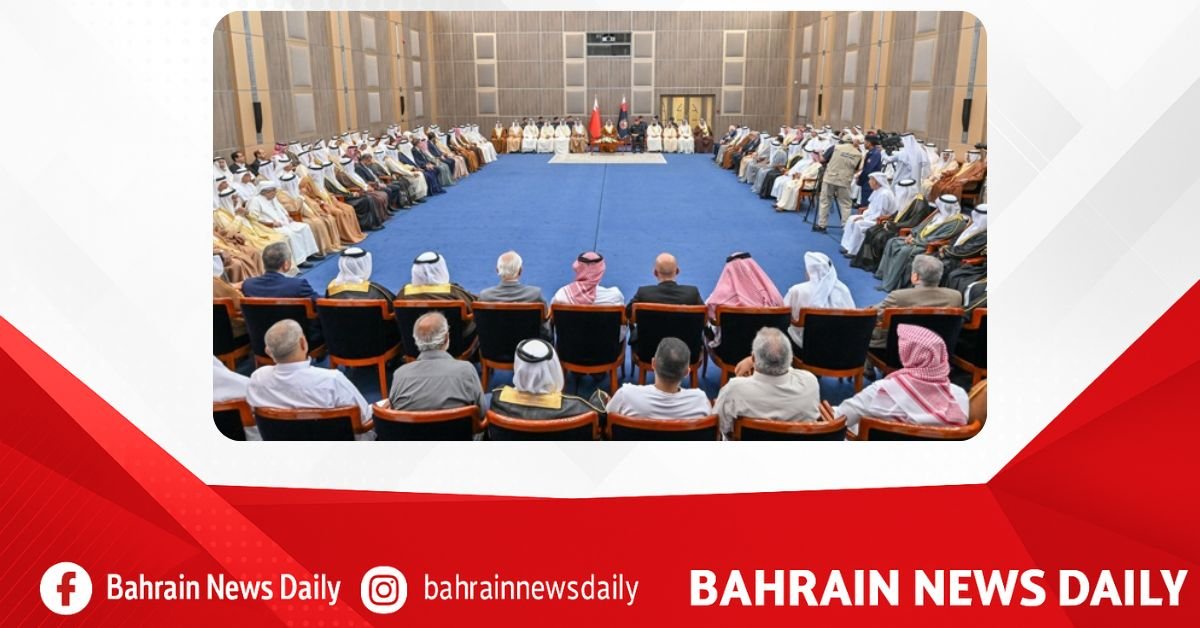
Manama, May 12 (BNA): As part of the community partnership plan and initiatives to improve community involvement, Interior Minister General Shaikh Rashid bin Abdullah Al Khalifa met with Bahraini individuals from all around the country.
وزير الداخلية يلتقي بمواطنين من جميع أنحاء المجتمع البحريني
ووفقا لما ذكره وزير الداخلية، تعززت قدرات البحرين الوطنية في مجال الدفاع والأمن بالأسلوب القيادي لجلالة الملك حمد بن عيسى آل خليفة، القائد الأعلى للقوات المسلحة، الذي كفل حماية المملكة خلال العدوان الإيراني. وأكد الوزير أيضا على الخطوات التي اتخذتها الحكومة، بقيادة رئيس الوزراء ولي العهد، صاحب السمو الملكي الأمير سلمان بن حمد آل خليفة، للتصدي لسقوط الهجمات الإيرانية.
ووفقا لما ذكره الجنرال شيخ رشيد بن عبد الله، عقد الاجتماع على خلفية العدوان الإيراني على مملكة البحرين وغيرها من دول الخليج العربي، الذي يدعو إلى إجراء دراسة تاريخية مفصلة لهذا النظام استنادا إلى مبدأ ويليات الفوقيه (قاعدة القانون الديني). According to the Minister, this idea has developed into a cross-border political project created by Khomeini, going beyond a theological reference framework. إن هذا المبدأ، الذي يقوم على الولاء لحكم إيران، يدفع الناس إلى تحويل ولاءهم السياسي عن الدولة التي يعيشون فيها إلى السلطة الدينية التي يحكمها البلد، حتى وإن كان ذلك يتعارض مع المصالح الوطنية أو يعرض أمن دولهم واستقرارها للخطر. وأكد أن سلطة الدولة المدنية في البحرين هي السلطة العليا.
وادعى الوزير أن البحرين ودول الخليج الأخرى شهدت منذ ثورة عام 1979 تغييرا في السياسة الإيرانية. وقد أدى ذلك إلى زيادة التدخل الصارخ في الشؤون الخارجية للبحرين، الأمر الذي أثار بدوره محاولة الانقلاب الفاشلة في عام ١٩٨١ وكذلك أعمال الإرهاب وأعمال الشغب في التسعينات. According to the Minister, Iran has attempted to use political and sectarian justifications to mobilize proxies among some Shia communities. He clarified that the proxies’ allegiance to the top jurist motivated them to act against the state. وذهب الوزير إلى القول إنهم أرعبوا وضايقوا أي شخص يختلف معهم بشأن المسائل السياسية والدينية، متذرعين بالراحل الشيخ سلمان الماني كضحية واحدة لأولئك الإيرانيين proxies.
ووفقا لما ذكره الجنرال شيخ رشيد، بدأت تغييرات هامة تركز على المصالحة السياسية والشفافية والتقدم الديمقراطي مع جلالة الملك في عام ١٩٩٩. وأسفرت التغييرات عن عودة السكان المنفيين ومنح الجنسية البحرينية، وإدخال إصلاحات دستورية وديمقراطية من خلال ميثاق العمل الوطني والدستور، وعفو عريض عن المدانين في المسائل المتعلقة بالأمن القومي. وادعى أن الإصلاحات عززت الحفاظ على كرامة الإنسان وزيادة المشاركة المدنية مع إحداث تغيير ملحوظ في عدد من القطاعات.
According to the Minister, Iran and its proxies in Bahrain attempted to infiltrate the Shia community through the dissolved Al Wefaq Society as the political arm and the dissolved Islamic Scholars Council as the religious arm after such reforms hindered their attempts.
The 2011 withdrawal of opposition MPs from parliament was mentioned by General Shaikh Rashid, who called it a momentous occasion. وادعى أنه على الرغم من التخويف والتهديدات التي يواجهونها، قرر بعض أعضاء المجتمع الشيعي المشاركة في الانتخابات الفرعية. وادعى أن بعض مواطني الشيعة يعارضون محاولات إيران لفرض سلطة حكومية ودينية، فقد أدركت إيران أن استراتيجيتهم ليست كاملة. The Minister expressed gratitude to the citizens for their devotion to their country.
According to General Shaikh Rashid, the recent events have shown a distinct difference between those who are devoted to Bahrain and those who have chosen to side with its enemies. وأشار إلى أن الناس لا يمكنهم أن ينسىوا المظاهر العامة للسعادة والدعم من بعض الناس الذين أشادوا بالضربات الإيرانية الأخيرة على المملكة.
According to the Minister, authorities responded quickly to the crisis by taking legal action, such as revoking Bahraini nationality and deporting those who Khaned the country to the nation that pushed them to commit acts of treason.
According to the Interior Minister, the government has taken serious action against Iran’s proxies in Bahrain, notably Iran’s Revolutionary Guard Corps (IRGC) and the primary terrorist group associated with Wilayat al-Faqih.
The minister stated that the group was made up of members of the disbanded Islamic Scholars Council as well as Iranian nationals who served as middlemen with the IRGC.
According to General Shaikh Rashid, the events signaled a change in Bahrain’s security strategy. وادعى أنه في حين أن السلطات دأبت على تناول الجرائم في إطار بارامترات الأنشطة الإجرامية المحددة ومع مراعاة الحساسيات الاجتماعية الأوسع نطاقا، فقد تحولت الآن إلى نهج أكثر شمولا وحسما عند التعامل مع الأفراد المرتبطين بإيران في البحرين. He clarified that Bahrain’s authorities have taken strong action against Iran’s proxies, such as the main group associated with Wilayat al-Faqih and Iran’s Revolutionary Guard Corps (IRGC). وأُدرج في المنظمة أعضاء المجلس الإسلامي للباحثين الذين تم حلهم، والأشخاص المتواجدون في إيران الذين عملوا كوسطاء مع المجلس.
وعلى الرغم من المحاولات العديدة التي تبذلها الدولة لحل هذه المسألة من خلال الإصلاح والمصالحة والتسامح والعفو، فقد استمرت في عملياتها لسنوات عديدة. ومع ذلك، ادعى الوزير أن هذه المجموعة ما زالت مستمرة في مخططاتها الرامية إلى السيطرة على السلطة السياسية والدينية داخل الطوائف الشيعة، وتخويف المعارضين، وجمع وإخفاء كميات كبيرة من المال، وتمويل الأعمال الإرهابية. He said that money had been transported overseas for terrorist activities and that officials had taken BD600,000 in cash from one suspect’s home.
According to the Minister, the group penetrated mosques and maatem, or communal grieving centers, which were customarily run by prominent Bahraini families who had built them. وقد تحولت بعض المواقع إلى مراكز للتعبئة الإيديولوجية والتجنيد، وتم تخويف بعض المديرين وإطلاق النار عليهم.
ووفقا لما ذكره الجنرال شيخ رشيد بن عبد الله، استفادت المجموعة من المشاكل الاجتماعية والاقتصادية، والصراع الطائفي الممزق، والميليشيات المشكلة المرتبطة بالحرس الثوري الإيراني، ودربت أشخاصا في مخيمات في الخارج، ومكنت من استيراد الأسلحة والمتفجرات. ويضاف إلى ذلك التسلل إلى وسائط الإعلام ووسائط الإعلام الاجتماعية والقطاعات التعليمية من أجل نشر إيديولوجية ويليات الفاقه، والقيام بعمليات تشويه المعلومات، وتفاقم الفجوة الطائفية داخل المجتمع البحريني—All of which the Minister claimed were crimes against the country.
ونفى وزير الداخلية الإشاعات التي تعمم على وسائط الإعلام الاجتماعية بأن شعب البحرين الشيعة يُفرد، مؤكداً أن هذه المجموعة جزء أساسي من المجتمع البحريني وأن المواطنين يعاملون على قدم المساواة بموجب الدستور والقوانين. وقال إن الطائفة الشيعة في البحرين كان لها عدد من الزعماء الدينيين في الماضي وكانوا موجودين قبل فلسفة ويليات الفاقه.
وشدد الجنرال شيخ رشيد بن عبد الله على أن التدابير الأمنية ستستمر لمنع أي شخص من تعريض البلد للخطر، وبالتالي مساعدة أولئك الذين يمارسون أعمال قتال ضد البحرين.
وأكد المشاركون من جديد التزامهم بالحفاظ على الأمن والنظام العام، لا سيما في مواجهة التحديات الإقليمية، وأكدوا أن البحرينيين يقفون معا وراء قيادة جلالة الملك.
وأشادوا بالجهود والتضحيات التي بذلها الأمن forces in defending society and preserving national accomplishments, characterizing Bahrain’s security and stability as a “red line” that could not be compromised.

